One Piece price records & market gaps
Where the same printing costs less in another market than in Singapore, and which cards are at a 90-day high or furthest below one. Free, for every market we track.
Biggest cross-market price gaps
No store we track in Singapore has a card in stock right now, so there is nothing to compare.
Furthest below their 90-day high
Cards trading well under their own highest TCGplayer market price of the last 90 days.
- 1−36.7%≈ S$156.29 · high ≈ S$246.71
- 2−36.3%≈ S$189.27 · high ≈ S$297.14
- 3−19.1%≈ S$9.56 · high ≈ S$11.81
- 4−18.9%≈ S$9.59 · high ≈ S$11.83
- 5−18.4%≈ S$4.14 · high ≈ S$5.08
- 6−17.2%≈ S$7.71 · high ≈ S$9.32
- 7−16.9%≈ S$7.24 · high ≈ S$8.71
- 8−15.0%≈ S$16.01 · high ≈ S$18.85
- 9−14.7%≈ S$4.78 · high ≈ S$5.60
- 10−14.4%≈ S$18.58 · high ≈ S$21.69




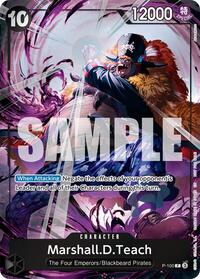

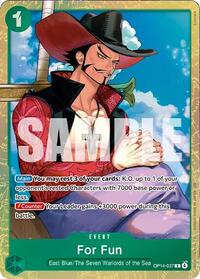

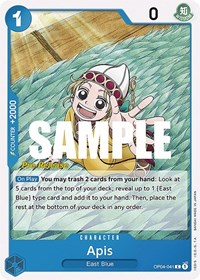

Measured on TCGplayer's market price at the latest daily record.
Questions
Can I actually buy at the cross-market price?+
Sometimes. Both figures are live in-stock store prices, converted into one currency at our reference rate, but international postage, customs and whether that market's stores ship to you are not included — on a cheap card they will usually swallow the gap. It is most useful on expensive singles.
Which exchange rate do you use?+
A fixed reference rate, updated by hand: US$1 = A$1.50, £0.79, S$1.35, C$1.37, €0.92. Your bank or card will use its own rate, so treat a small gap as noise.
Why a 90-day high and not an all-time high?+
The records come from the TCGplayer market price history we keep for every card, and we only compare within the last 90 days. A card needs at least a month of recorded prices before it can appear here, so a price seen once or twice is never called a record.
How often does this update?+
The gaps read current store prices, which we refresh twice a day. The 90-day records move once a day, when the day's TCGplayer market price is recorded.